

DJs


Intel XMM 8160 5G modem officially announced, set to arrive in 2020

The Intel XMM 8160 was officially unveiled today as Intel's first 5G modem. The company stated that the new modem will be available to manufacturers in the second half of 2019 and expects that the first devices with them will be on the market early 2020.
Intel is not the only company in the 5G race. We've already see Qualcomm announce its Snapdragon X50, and Samsung it's Exynos 5100. Network operators and phone manufacturers are working hard to prepare their products with the promise of blazing fast speeds for customers.
Intel has been working on their 5G modem for quite a while now and we can see they've put that time to good use. Intel's XMM 8160 is an all-in-one solution when it comes to modems. Intel's modem will also support 4G, 3G and even 2G speeds alongside 5G, while competitors will offer separate products for 5G and legacy connectivity.

The single chip will allow for smaller circuit boards, which in turn will allow smartphone manufacturers more space for batteries while opening the window for smaller smart devices with 5G connectivity. This is important since one of the biggest advantages of 5G is expected to be the improvements it will bring to the world of Internet-of-things.
Intel’s 5G modem will also bring “peak speeds up to 6 gigabits per second, making it three to six times faster than the latest LTE modems available today”. The chip will support all the necessary bands, from the 600 MHz - 6 GHz range to the mmWave frequencies that start from 24 GHz.
With Intel becoming the sole supplier for modems on the 2018 iPhones, we can't help but wonder if Apple will once again select this Intel chip for their first 5G capable iPhone in 2020.
DJs


source - Engadget
Intel unveils newer, smaller RealSense camera for smartphones

Intel CEO Brian Krzanich displayed a new RealSense camera at IDF in Shenzhen today that is smaller and thinner than the previous version. The new version runs cooler than the previous models and was demonstrated fitting into a 6 inch prototype device.
Intel also announced a partnership with Chinese retailer JD to improve the latter's warehouse management. Using a tablet integrated with a RealSense depth camera, Intel showed how the snapper can help determine which size box is necessary to help ship or store products. Sounds like a great tool for JD's warehouse. Krzanich also displayed a Windows 10 powered tablet that signed him into a program merely by scanning his face with a RealSense camera.
Intel has not revealed when the new RealSense camera will be available, but we could look forward to seeing some of the above mentioned features on modern smartphones and tablets.


source - Engadget
DJs

source - Dell | Intel | Best Buy
Dell Venue 8 7840 goes on sale at Best Buy: world's thinnest tablet, first with Intel RealSense
Meet the Dell Venue 8 7840, an Android tablet which takes on the Apple iPad Air 2 as the world's thinnest tablet. It is also the first device to feature Intel RealSense camera
Intel's RealSense allows you to scan real-life objects and get a usable (or rather, printable) 3D scan; it also makes it possible to tell depth information and with an open SDK. The problem with it was that it was not really available to users of mobile devices.
Besides that, the Venue 8 7840 features a 8.4 inch display with a 2560 x 1600 pixel resolution, 16GB of internal storage which can be expanded through microSD and a 2.3GHz Intel Atom Z3580 processor with 2GB of RAM. On the software side you get Android 4.4 KitKat.
Those interested in the Dell Venue 8 7840 can purchase it now from Best Buy for $400.
source - Dell | Intel | Best Buy
DJs
 It looks like Qualcomm wont be the only chipset maker to announce 64-bit mobile processors at the MWC. Intel has unveiled its own LTE-ready, 64-bit Atom processors.
The first new Intel CPU, Atom Z3480 (codenamed Merrifield), comes with two 2.13GHz cores, is based on Intel's 22nm Silvermont microarchitecture, and uses a PowerVR Series 6 Graphics IP core from Imagination Technologies. According to Intel, the Z3480 Merrifield is the first Atom SoC to support the company’s new “Integrated Sensor Solution, which efficiently manages sensor data to keep applications smart and contextually aware even when the device is in a low-power state.” Merrifield-based devices (made by various companies) are expected to be released starting Q2 2014.
The second new Intel Atom processor that's made "for Android mobile devices" is codenamed Moorefield, has four cores clocked at up to 2.3GHz, and will include “an enhanced GPU and support for faster memory.” The Atom Moorefield will be released in the second half of 2014.
In addition to unveiling the two Atom processors, Intel announced that it signed new multi-year agreements with Lenovo, Asus, Dell and Foxconn. Asus and Lenovo will launch both smartphones and tablets based on Atom processors this year. Dell will introduce Android and Windows tablets, while Foxconn is releasing only tablets running Android.
source - Intel
Intel announces 64-bit Merrifield and Moorefield mobile processors, signs new agreements with Lenovo, Asus, Dell and Foxconn
 It looks like Qualcomm wont be the only chipset maker to announce 64-bit mobile processors at the MWC. Intel has unveiled its own LTE-ready, 64-bit Atom processors.
The first new Intel CPU, Atom Z3480 (codenamed Merrifield), comes with two 2.13GHz cores, is based on Intel's 22nm Silvermont microarchitecture, and uses a PowerVR Series 6 Graphics IP core from Imagination Technologies. According to Intel, the Z3480 Merrifield is the first Atom SoC to support the company’s new “Integrated Sensor Solution, which efficiently manages sensor data to keep applications smart and contextually aware even when the device is in a low-power state.” Merrifield-based devices (made by various companies) are expected to be released starting Q2 2014.
The second new Intel Atom processor that's made "for Android mobile devices" is codenamed Moorefield, has four cores clocked at up to 2.3GHz, and will include “an enhanced GPU and support for faster memory.” The Atom Moorefield will be released in the second half of 2014.
In addition to unveiling the two Atom processors, Intel announced that it signed new multi-year agreements with Lenovo, Asus, Dell and Foxconn. Asus and Lenovo will launch both smartphones and tablets based on Atom processors this year. Dell will introduce Android and Windows tablets, while Foxconn is releasing only tablets running Android.
"We have a strong history of working with Intel to bring compelling, computing experiences to market with products like our K900 smartphone, Yoga line of multimode laptops, MIIX 2 and ThinkPad 8 tablets. We look forward to an even stronger future together - delivering exciting mobile experiences from stylish smartphones to high-performance tablets with Intel inside," declared Peter Hortensius, chief technology officer, Lenovo.We are expecting Samsung to join the 64-bit bandwagon, too, possibly with its Exynos Infinity chip that may be announced later today.
source - Intel
DJs

Alongside the release of Windows 8.1 next week, there will also be a new lineup of tablets powered by Intel's latest Atom chip code-named Bay Trail. These tablets which will be priced between $299 and $350, include the Dell Venue 8 Pro, Toshiba Encore, and the Asus Transformer Book T100. More models are expected to ship in the coming months.
These tablets are mainly aimed at consumers looking to browse the web and consume media, much like the iPad, and offer more than eight hours of battery life with screen sizes starting at 8 inches. Manufacturers will include accessories with these tablets allowing them to be transformed into laptops for various productivity tasks. Since they are full Windows tablets, they will be able to run both legacy Windows desktop applications and modern Windows 8 applications.
These tablets are thinner and lighter than last generation Windows 8 tablets, thanks to the advancements on Intel's processor architecture. You could always consider the Microsoft Surface 2, if you are willing to put up with the lack of legacy desktop app support in the ARM based Windows RT. ARM processor is expected to be comparable on battery life and performance to Bay Trail.
The initial batch of Bay Trail tablets will have processors with up to four cores and 32-bit versions of Windows 8.1. Software issues have prevented the immediate release of 64-bit Windows 8.1 Bay Trail tablets, but they should come early next year.
.jpg) The Toshiba Encore was the first tablet to be announced with Windows 8.1 and Bay Trail. The tablet has an 8-inch screen, weighs about 17 ounces and is 0.4 inches thick. The screen displays images at a resolution of 1280 by 800 pixels, and the company says the tablet is good for Skype videoconferencing with features that include dual-array microphones.
The Toshiba Encore was the first tablet to be announced with Windows 8.1 and Bay Trail. The tablet has an 8-inch screen, weighs about 17 ounces and is 0.4 inches thick. The screen displays images at a resolution of 1280 by 800 pixels, and the company says the tablet is good for Skype videoconferencing with features that include dual-array microphones.
Toshiba hasn't shared the battery life yet, but Intel claims Bay Trail tablets will offer more than eight hours of run time and weeks of standby.
The Encore has an 8-megapixel back camera and a 2-megapixel front camera. Other features include Micro USB 2.0, Micro HDMI, and MicroSD slots. The tablet also comes with Office Home and Student 2013.
Encore starts at $329.99 with 32GB of storage, though the Windows OS will take up a large chunk of the storage. It will be available in November through Toshiba’s website and retail stores.
 The Dell Venue 8 Pro features an 8 inch display with a resolution of 1280 by 800 pixels, is 0.35 inches thick and weighs about 14 ounces according to the company.
 Asus claims the tablet offers 11 hours of battery life, which should beat the 8-inch rivals with smaller batteries.
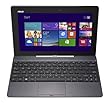

Upcoming Windows 8.1 tablets with Intel's Bay Trail processors

Alongside the release of Windows 8.1 next week, there will also be a new lineup of tablets powered by Intel's latest Atom chip code-named Bay Trail. These tablets which will be priced between $299 and $350, include the Dell Venue 8 Pro, Toshiba Encore, and the Asus Transformer Book T100. More models are expected to ship in the coming months.
These tablets are mainly aimed at consumers looking to browse the web and consume media, much like the iPad, and offer more than eight hours of battery life with screen sizes starting at 8 inches. Manufacturers will include accessories with these tablets allowing them to be transformed into laptops for various productivity tasks. Since they are full Windows tablets, they will be able to run both legacy Windows desktop applications and modern Windows 8 applications.
These tablets are thinner and lighter than last generation Windows 8 tablets, thanks to the advancements on Intel's processor architecture. You could always consider the Microsoft Surface 2, if you are willing to put up with the lack of legacy desktop app support in the ARM based Windows RT. ARM processor is expected to be comparable on battery life and performance to Bay Trail.
The initial batch of Bay Trail tablets will have processors with up to four cores and 32-bit versions of Windows 8.1. Software issues have prevented the immediate release of 64-bit Windows 8.1 Bay Trail tablets, but they should come early next year.
Toshiba Encore
.jpg) The Toshiba Encore was the first tablet to be announced with Windows 8.1 and Bay Trail. The tablet has an 8-inch screen, weighs about 17 ounces and is 0.4 inches thick. The screen displays images at a resolution of 1280 by 800 pixels, and the company says the tablet is good for Skype videoconferencing with features that include dual-array microphones.
The Toshiba Encore was the first tablet to be announced with Windows 8.1 and Bay Trail. The tablet has an 8-inch screen, weighs about 17 ounces and is 0.4 inches thick. The screen displays images at a resolution of 1280 by 800 pixels, and the company says the tablet is good for Skype videoconferencing with features that include dual-array microphones.The Encore has an 8-megapixel back camera and a 2-megapixel front camera. Other features include Micro USB 2.0, Micro HDMI, and MicroSD slots. The tablet also comes with Office Home and Student 2013.
Encore starts at $329.99 with 32GB of storage, though the Windows OS will take up a large chunk of the storage. It will be available in November through Toshiba’s website and retail stores.
Dell Venue 8 Pro
 The Dell Venue 8 Pro features an 8 inch display with a resolution of 1280 by 800 pixels, is 0.35 inches thick and weighs about 14 ounces according to the company.
 The tablet starts at $299.99 with 32GB of storage, and includes a 1.2-megapixel front camera and 5-megapixel back camera, and a Micro USB 2.0 and MicroSD slots.
The Venue 8 Pro has a unique feature with LTE connectivity in the U.S. and 3G in other countries. Dell expects the tablet to start shipping in November, and will sell optional keyboard, case and stylus accessories for the device.
Asus Transformer Book T100
The Asus Transformer Book T100 features a larger 10.1 inch display compared to the other Bay Trail tablets, and is heavier at a little more than 19 ounces.
 Asus claims the tablet offers 11 hours of battery life, which should beat the 8-inch rivals with smaller batteries.
 The T100 will be sold as a tablet, but come with a detachable keyboard for laptop functionality. As a laptop, the T100 weighs just under 2.5 pounds. The T100 is priced at $349 with 32GB of storage, and $399 for 64GB of storage.
The screen displays images at a resolution of 1366 x 768 pixels, and the other features include MicroSD card and Micro USB 2.0 ports. The bundled keyboard has a USB 3.0 port.
If you are interested in the Asus Transformer Book T100, you can purchase it using the following link through Amazon. The tablet will start shipping on October 18.
If you are interested in the Asus Transformer Book T100, you can purchase it using the following link through Amazon. The tablet will start shipping on October 18.

Hp Omni 10
Last but not least we have the HP Omni, which has a 10.1 inch display and a 1920 by 1200 pixel resolution. This makes the Omni 10 the best screen among Bay Trail tablets so far.

HP is claiming a nine-hour battery life, and the company is offering accessories such as a charging dock and Bluetooth keyboard with the device. It will become available in November, and the company has not announced prices. But with the high-resolution screen, you should expect it to be priced above $400.
Last but not least we have the HP Omni, which has a 10.1 inch display and a 1920 by 1200 pixel resolution. This makes the Omni 10 the best screen among Bay Trail tablets so far.
HP is claiming a nine-hour battery life, and the company is offering accessories such as a charging dock and Bluetooth keyboard with the device. It will become available in November, and the company has not announced prices. But with the high-resolution screen, you should expect it to be priced above $400.
DJs
Intel may have fallen behind in the mobile market, which is currently dominated by ARM processors, but they have been slowly pushing their way back into our mobile devices. In response to the new wearable device boom Intel has unveiled its new line of "Quark" processors, which it plans to be used on smart watches and other wearables.
The Quark processors are going to be incredibly small, and powerefficient. According to Intel, they will be one-fifth the size of the smallest Atom processor, and it will use one-tenth of the power.
Intel announces "Quark" processors for wearable devices
 Intel may have fallen behind in the mobile market, which is currently dominated by ARM processors, but they have been slowly pushing their way back into our mobile devices. In response to the new wearable device boom Intel has unveiled its new line of "Quark" processors, which it plans to be used on smart watches and other wearables.
The Quark processors are going to be incredibly small, and powerefficient. According to Intel, they will be one-fifth the size of the smallest Atom processor, and it will use one-tenth of the power.
Intel CEO Brian Kraznich has the following to say about the use of the Quark processor:
Smartphones and tablets are not the end-state. The next wave of computing is still being defined. Wearable computers and sophisticated sensors and robotics are only some of the initial applications.
Intel will have samples of the new chip ready for the fourth quarter this year, but we shouldn't expect to see Quark in wide use until next year. The first run of the chips will likely find their way into "embedded" technologies.
source: WSJ
DJs
 Back in January last year we reported that Tae-jin Kang, Samsung’s VP of Content Planning stated that his company was planning to merge bada OS with Intel’s Tizen. This merger came after Intel’s failed plans to merge their platform with Meego, which Nokia later dropped in favor of Windows Phone.
 Now Hong Won-pyo, Samsung’s Media Solutions Center states that bada is not a fit for today’s smartphones and that Tizen will no longer be merging with bada. Samsung plans to released a number of Tizen powered devices this year and these handsets will take over some of the useful features of bada once they are released.
In the future Tizen phones will be able to run apps designed for bada, but older bada handsets will not be updatable to Tizen. It is still not clear what Samsung plans with the Tizen platform. There have been rumors that Samsung wants to distance itself from Android. Given its recent success with its Galaxy series, we are curious to see how the manufacturer will address a Android free ecosystem.
source – Yonhapo News Agency | The Verge | Engadget
BADA to be absorbed by Tizen
 Back in January last year we reported that Tae-jin Kang, Samsung’s VP of Content Planning stated that his company was planning to merge bada OS with Intel’s Tizen. This merger came after Intel’s failed plans to merge their platform with Meego, which Nokia later dropped in favor of Windows Phone.
 Now Hong Won-pyo, Samsung’s Media Solutions Center states that bada is not a fit for today’s smartphones and that Tizen will no longer be merging with bada. Samsung plans to released a number of Tizen powered devices this year and these handsets will take over some of the useful features of bada once they are released.
In the future Tizen phones will be able to run apps designed for bada, but older bada handsets will not be updatable to Tizen. It is still not clear what Samsung plans with the Tizen platform. There have been rumors that Samsung wants to distance itself from Android. Given its recent success with its Galaxy series, we are curious to see how the manufacturer will address a Android free ecosystem.
source – Yonhapo News Agency | The Verge | Engadget
DJs
Intel looks to be continuing on track to make a name for themselves as smartphone chip manufacturers. The company has announced their line of dual-core Atom (Clover Trail+) processors. They are built using the 32nm architecture and known as the 2.0 GHz Z2580, the 1.6 GHz Z2560 and the 1.2GHz Z2520. Intel promises industry leaving performance with their hyper-threading technology and battery life which will match current high end devices. The company plans to transition to 22nm Atom SoCs late this year.
Intel will start by shipping single-mode chips and have the multimode model available by the first half of the year. The company hopes that eventually its processors will be ready to go along with the XMM7160 to provide an integrated offering for manufacturers combining the processor and radio.
source – Intel | Android Central
Intel announces dual-core Atom, and plans for future quad-core processors
Intel looks to be continuing on track to make a name for themselves as smartphone chip manufacturers. The company has announced their line of dual-core Atom (Clover Trail+) processors. They are built using the 32nm architecture and known as the 2.0 GHz Z2580, the 1.6 GHz Z2560 and the 1.2GHz Z2520. Intel promises industry leaving performance with their hyper-threading technology and battery life which will match current high end devices. The company plans to transition to 22nm Atom SoCs late this year.All three chips will support resolutions of 1900 x 1200 pixels and will come with support for HSPA+ 42Mbps modems and Android 4.2 Jelly Bean. The chips will use Intel’s Graphics Media Accelerator engine for its graphics, which supports video in 1080p @ 30fps. It also allows three times the graphics performance of rich 3D visuals and lifelike gaming using a core that supports 533MHz using boost mode. The new chips will support two cameras including up to 16 MP for the primary camera sensor and a 15 frame-per-second burst mode for 8 MP photos.
The company has partnered with Asus, TE and Lenovo to use these Clover Trail+ chips in their future smartphones and tablets.
Intel also announce their upcoming quad-core Bay Trail processors for tablets. These processors will offer double the performance of the company’s current processors and could be produced using 8nm technology in future. We can expect to see Acer, ASUS, HP, Lenovo, LG Electronics and Samsung produce tablets powered by Intel’s Bay Trail processors by the upcoming thanksgiving season.
Intel took the opportunity to also announce their first multi-mode and multi-band LTE chip – the XMM 71650. The chip draws very little power because of its small size and brings support for 15 LTE bands simultaneously. It also allows the OEM to get LTE, DC-HSPA+ and EDGE connectivity with a single chip.
Press Release
BARCELONA, Spain--(BUSINESS WIRE)--MOBILE WORLD CONGRESS – Intel Corporation today announced a range of new products, ecosystem and enabling efforts that will further accelerate the company’s presence in mobile and help usher in new devices and richer experiences with Intel Inside®.
“Today’s announcements build on Intel’s growing device portfolio across a range of mobile market segments”
The announcements include a new dual-core Atom™ SoC ("Clover Trail+") platform for smartphones and Android* tablets, and the company’s first global, multimode-multiband LTE solution that will ship in the first half of this year. Other disclosures included “Bay Trail” momentum, mobile device enabling efforts, and continued smartphone momentum in emerging markets with the Intel® Atom™ Z2420 processor-based platform.
“Today’s announcements build on Intel’s growing device portfolio across a range of mobile market segments,” said Hermann Eul, Intel vice president and co-general manager of the Mobile and Communications Group. “In less than a year's time we have worked closely with our customers to bring Intel-based smartphones to market in more than 20 countries around the world, and have also delivered an industry-leading low-power Atom™ SoC tablet solution running Windows* 8, and shipping with leading OEM customers today. Looking forward, we will build upon this foundation and work closely with our ecosystem partners, across operating systems, to deliver the best mobile products and experiences for consumers with Intel Inside.”
New, Efficient Atom™ SoC Platform
Intel’s new Atom™ processor platform ("Clover Trail+") and smartphone reference design delivers industry-leading performance with low-power and long battery life that rivals today’s most popular Android* phones. The product brings Intel’s classic product strengths, including high performance that lets you enjoy smooth Web browsing, vibrant, glitch-free, full HD movies, and an Android* applications experience that launches fast and runs great.
The platform’s 32nm dual core Intel® Atom™ Processors -- Z2580, Z2560, Z2520 -- are available in speeds up to 2.0 GHz, 1.6 GHz and 1.2GHz, respectively. The processor also features support for Intel® Hyper-Threading Technology, supporting four simultaneous application threads and further enhancing the overall efficiency of the Atom cores.
The integrated platform also includes an Intel® Graphics Media Accelerator engine with a graphics core supporting up to 533MHz with boost mode, and delivering up to three times the graphics performance1 for rich 3-D visuals, lifelike gaming and smooth, full 1080P hardware-accelerated video encode and decode at 30fps.
“Our second-generation product delivers double the compute performance and up to three times the graphics capabilities1, all while maintaining competitive low power,” Eul said. “As we transition to 22nm Atom SoCs later this year, we will take full advantage of the broad spectrum of capabilities enabled by our design, architecture, 22nm tri-gate transistor technology, and leading-edge manufacturing to further accelerate our position.”
The new Atom platform also brings advanced imaging capabilities, including support for two cameras, with a primary camera sensor up to 16 megapixels. The imaging system also enables panorama capture, a 15 frame-per-second burst mode for 8 megapixel photos, real-time facial detection and recognition, and mobile HDR image capture with de-ghosting for clearer pictures in flight.
The platform is also equipped with Intel® Identity Protection Technology (Intel IPT), helping to enable strong, two-factor authentication for protecting cloud services such as remote banking, e-commerce, online gaming and social networking from unauthorized access. Since Intel IPT is embedded at chip-level, unlike hardware or phone-based tokens, it can enable more secure, yet user-friendly cloud access protection. Intel is working with partners including Feitian*, Garanti Bank*, MasterCard*, McAfee*, SecureKey* Technologies Inc., Symantec*, Vasco Data Security International* Inc. and Visa* Inc. to incorporate this technology into their services.
With WUXGA display support of 1900x1200, the platform will also enable larger-screen Android* tablet designs. It also includes support for Android* 4.2 (Jelly Bean), Intel Wireless Display Technology, HSPA+ at 42Mbps with the Intel® XMM 6360 slim modem solution, and the new industry-standard UltraVioletTM Common File Format.
Customers announcing support for "Clover Trail+" platform for phones and tablets include ASUS*, Lenovo*, and ZTE*.
Debuting at CES last month, the Lenovo* IdeaPhone K900* is based on the Intel® Atom™ processor Z2580 and delivers rich video, graphics and Web content at fantastic speeds. The IdeaPhone is 6.9mm thin and also features the world’s first 5.5-inch full high-definition 400+ PPI screen for increased clarity of text and images. The K900 will be the first product to market based on the Atom processor Z2580. Lenovo plans to introduce the smartphone in the second quarter of 2013 in China, followed soon by select international markets.
Building on the Atom processor platform ("Clover Trail+"), Intel also highlighted its forthcoming 22nm smartphone Atom™ SoC ("Merrifield"). The product is based on Intel’s leading-edge 22nm process and an entirely new Atom microarchitecture that will help enable increased smartphone performance, power efficiency and battery life.
Long-Term Evolution (4G LTE)
Intel’s strategy is to deliver a leading low-power, global modem solution that works across multiple bands, modes, regions and devices.
The Intel XMM 7160 is one of the world’s smallest2 and lowest-power multimode-multiband LTE solutions (LTE / DC-HSPA+ / EDGE), supporting multiple devices including smartphones, tablets and Ultrabooks™. The 7160 global modem supports 15 LTE bands simultaneously, more than any other in-market solution. It also includes a highly configurable RF architecture running real time algorithms for envelope tracking and antenna tuning that enables cost-efficient multiband configurations, extended battery life, and global roaming in a single SKU.
“The 7160 is a well-timed and highly competitive 4G LTE solution that we expect will meet the growing needs of the emerging global 4G market,” Eul said. “Independent analysts have shown our solution to be world class and I’m confident that our offerings will lead Intel into new multi-comm solutions. With LTE connections projected to double over the next 12 months to more than 120 million connections, we believe our solution will give developers and service providers a single competitive offering while delivering to consumers the best global 4G experience. Building on this, Intel will also accelerate the delivery of new advanced features to be timed with future advanced 4G network deployments.”
Intel is currently shipping its single mode 4G LTE data solution and will begin multimode shipments later in the first half of this year. The company is also optimizing its LTE solutions concurrently with its SoC roadmap to ensure the delivery of leading-edge low-power combined solutions to the marketplace.
Intel® Atom™ Platform Z2420
As Intel expands its geographic presence, the company sees tremendous opportunity in delivering rich Intel-based mobile experiences to consumers across emerging markets.
As part of its strategy to take advantage of the fast growing market for value smartphones in emerging markets, which some analysts expect to reach 500 million units by 2015, Intel highlighted continuing momentum with the Intel Atom Processor Z2420 platform (formerly "Lexington"). Since it was first announced at CES, Acer* (Thailand, Malaysia), Lava* (India) and Safaricom* (Kenya) have all announced new handsets.
Etisalat Misr*, a leading telco operator based in Egypt and a subsidiary of Etisalat group UAE, in collaboration with Intel today announced plans for the Etisalat E-20 Smartphone with Intel Inside®. Set to debut in Egypt in April, the Intel-based handset will be the first in the Middle East and North Africa region, and the second introduction in Africa to-date, building on the recent launch of Safaricom* in Kenya.
Demonstrating the flexibility of the Atom SoC platform to accommodate a range of device and market segment needs, ASUS* later today will announce a new Android* tablet based on the Intel® Atom™ Processor Z2420.
Tablets with Intel Inside®
Building on the device momentum and industry-leading power-efficiency of the award-winning Atom processor Z2760, Intel’s first quad-core Atom SoC ("Bay Trail"), will be the most powerful Atom processor to-date -- doubling the computing performance of Intel’s current- generation tablet offering and providing the ecosystem with a strong technology foundation and feature set from which to innovate. The "Bay Trail" platform, scheduled to be available for holiday 2013, is already up and running on Windows* and Android* and will help enable new experiences in designs as thin as 8mm that have all-day battery life and weeks of standby.
Intel is currently working with Compal*, ECS*, Pegatron*, Quanta* and Wistron* to accelerate "Bay Trail" tablets to the market. Intel is also extending its work with leading OEM partners globally, building on the strong foundation of Intel Atom processor Z2760-based tablet designs in market from Acer*, ASUS*, Dell*, Fujitsu*, HP*, Lenovo*, LG Electronics and Samsung*.
Enabling Mobile Devices with Intel Inside®
Intel today announced an expansion of its ecosystem enabling efforts to deliver new device and market innovations across a range of Windows*- and Android*-based mobile devices.
Intel platform and enabling programs have been the foundation of OEM and ODM innovation for decades. The new program will focus on accelerating time to market for leading-edge mobile devices based on Intel® architecture with top OEMs and ODMs. The program will focus first on tablets, followed by phones, providing pre-qualified solutions with simplified building blocks to scale designs quickly for mature and emerging markets. The Atom Processor Z2760 and the company’s forthcoming 22nm Atom SoC, codenamed "Bay Trail," will be the starting foundation for the effort.
About Intel
Intel (NASDAQ: INTC) is a world leader in computing innovation. The company designs and builds the essential technologies that serve as the foundation for the world’s computing devices. Additional information about Intel is available at newsroom.intel.com and blogs.intel.com.
Intel, Atom, Core and the Intel logo are trademarks of Intel Corporation in the United States and other countries.
*Other names and brands may be claimed as the property of others.
1 Compared to the Intel Atom Processor Z2460 platform; Graphics clock will vary based on SKU: Z2580, Z2560, Z2520. 2 Compared with competitive solutions shipping in market today.
Contacts
Intel Corporation
Claudine Mangano, 408-887-2706
claudine.a.mangano@intel.com
Agnes Kwan, 408-398-2573
agnes.ck.kwan@intel.com
Intel will start by shipping single-mode chips and have the multimode model available by the first half of the year. The company hopes that eventually its processors will be ready to go along with the XMM7160 to provide an integrated offering for manufacturers combining the processor and radio.
source – Intel | Android Central
DJs
Intel has announced a new Atom processor codenamed ‘Bay Trail’ which are aimed at tablets. These quad-core processors are built using the 22nm manufacturing process which offers high efficiency and low power consumption. In terms of performance, the chip offers nearly two-times what is offered on current generation Atom ‘Clover Trail’ processors.
Unfortunately there isn't much more, known about the Atom Bay Trail processors other than the leaked information from back in November. If that information is correct, the processors with have a clock speed of around 2.1GHz and support maximum display resolutions of 2560 x 1600 pixels. They will also have new security features although Intel has now elaborated on them.

The first tablets which will feature the new Intel Atom Bay Trail processors are not expected to be launched until later this year, in time for the holidays. So we have a long wait ahead of us. Hopefully we will learn more about the capabilities of these new chips by then.
source - Intel | Engadget
Intel Bay Trail Atom processor announced
Intel has announced a new Atom processor codenamed ‘Bay Trail’ which are aimed at tablets. These quad-core processors are built using the 22nm manufacturing process which offers high efficiency and low power consumption. In terms of performance, the chip offers nearly two-times what is offered on current generation Atom ‘Clover Trail’ processors.Unfortunately there isn't much more, known about the Atom Bay Trail processors other than the leaked information from back in November. If that information is correct, the processors with have a clock speed of around 2.1GHz and support maximum display resolutions of 2560 x 1600 pixels. They will also have new security features although Intel has now elaborated on them.
The first tablets which will feature the new Intel Atom Bay Trail processors are not expected to be launched until later this year, in time for the holidays. So we have a long wait ahead of us. Hopefully we will learn more about the capabilities of these new chips by then.
source - Intel | Engadget
DJs
 Samsung has confirmed that they will release smartphones based on the new Tizen operating system in 2013. Google’s purchase of Motorola, has been seen as a potential threat for manufacturers like Samsung, which depends heavily on Android for the success of its brand. Samsung has since looks at its alternatives and merged its homebrewn BADA OS with Intel’s offering to make Tizen a reality.
As Tizen is an open source platform like Android it now has backing from Intel, Samsung, Japanese carrier NTT DoCoMo and the Vodafone Group which will give the devices running this platform an opportunity for success.
“We plan to release new, competitive Tizen devices within this year and will keep expanding the lineup depending on market conditions,” a Samsung representative confirmed in writing today.
Japanese newspaper, Yomiuri Shimbun has also confirmed that Samsung will be offering Tizen powered devices on NTT Docomo in 2013.
Samsung plans to initially offer Tizen on lower-end handsets as a successor to its BADA platform. If the platform is able to gain a strong user-base in Asia, there is a good chance it could position itself as a strong contender for third place alongside Windows Phone and BlackBerry 10.
source – Bloomberg
Samsung confirms that they will release Tizen devices this year
 Samsung has confirmed that they will release smartphones based on the new Tizen operating system in 2013. Google’s purchase of Motorola, has been seen as a potential threat for manufacturers like Samsung, which depends heavily on Android for the success of its brand. Samsung has since looks at its alternatives and merged its homebrewn BADA OS with Intel’s offering to make Tizen a reality.
As Tizen is an open source platform like Android it now has backing from Intel, Samsung, Japanese carrier NTT DoCoMo and the Vodafone Group which will give the devices running this platform an opportunity for success.
“We plan to release new, competitive Tizen devices within this year and will keep expanding the lineup depending on market conditions,” a Samsung representative confirmed in writing today.
Japanese newspaper, Yomiuri Shimbun has also confirmed that Samsung will be offering Tizen powered devices on NTT Docomo in 2013.
Samsung plans to initially offer Tizen on lower-end handsets as a successor to its BADA platform. If the platform is able to gain a strong user-base in Asia, there is a good chance it could position itself as a strong contender for third place alongside Windows Phone and BlackBerry 10.
source – Bloomberg
DJs
With ARM dominating the mobile landscape with its Cortex processors, other CPU manufacturers like Intel are looking into grabbing their own share in the lucrative market. Intel has already managed to include their Atom chipsets in devices like the Motorola RAZR i, but they are now setting their sights wider and considering a push into the tablet market.
This information comes from a leaked Intel roadmap, which tells of the features and performance Intel has in mind for its future Atom processors. The company is planning to release its new ‘Bay Trail’ series of chipsets in 2014 and is currently in negotiations with OEMs who may be interested in using the Intel based SoC.
These processors are expected to be made using the 22 nanometer manufacturing process, which would promise improved power efficiency. Intel promises that their new Atom chops will offer 50% to 60% more power compared to the current Clover Tail offering which is based on the 32 nanometer architecture.
The chips’ specifications reveal that they will have four cores and will run at up to 2.1 GHz. These chips will be capable of delivering excellent battery life and an impressive performance without dissipating too much of heat. The chips will include Intel Gen 7 graphics and support for Direct X 11. They will be capable of supporting 2560 x 1600 pixel resolutions and 1080p HD playback at 30 frames per second.


It’s a little disappointing that we will have to wait so long before we see these processors in action. Hopefully we will learn more about these chips at the upcoming CES 2013.
source – Mobile Geeks | Slashgear
Intel developing their next-generation of Atom processors for tablet use
With ARM dominating the mobile landscape with its Cortex processors, other CPU manufacturers like Intel are looking into grabbing their own share in the lucrative market. Intel has already managed to include their Atom chipsets in devices like the Motorola RAZR i, but they are now setting their sights wider and considering a push into the tablet market.This information comes from a leaked Intel roadmap, which tells of the features and performance Intel has in mind for its future Atom processors. The company is planning to release its new ‘Bay Trail’ series of chipsets in 2014 and is currently in negotiations with OEMs who may be interested in using the Intel based SoC.
These processors are expected to be made using the 22 nanometer manufacturing process, which would promise improved power efficiency. Intel promises that their new Atom chops will offer 50% to 60% more power compared to the current Clover Tail offering which is based on the 32 nanometer architecture.
The chips’ specifications reveal that they will have four cores and will run at up to 2.1 GHz. These chips will be capable of delivering excellent battery life and an impressive performance without dissipating too much of heat. The chips will include Intel Gen 7 graphics and support for Direct X 11. They will be capable of supporting 2560 x 1600 pixel resolutions and 1080p HD playback at 30 frames per second.


It’s a little disappointing that we will have to wait so long before we see these processors in action. Hopefully we will learn more about these chips at the upcoming CES 2013.
source – Mobile Geeks | Slashgear
DJs

It was last week that Motorola and Intel teased an upcoming event to promote something new. Following the Motorola On Display event, it was clear that a variant of the Motorola RARZ M would be introduced with an Intel based processor under its hood.
You can watch the unveiling of the new device in the following live stream of the Intel and Motorola Live video stream
[UPDATE] As expected Motorola and Intel revealed the Motorola RAZR i which is powered by an Intel Medfield ATOM processor.
Watch the Motorola and Intel Motoedge live event

It was last week that Motorola and Intel teased an upcoming event to promote something new. Following the Motorola On Display event, it was clear that a variant of the Motorola RARZ M would be introduced with an Intel based processor under its hood.
You can watch the unveiling of the new device in the following live stream of the Intel and Motorola Live video stream
DJs
Motorola and Intel have something planned for us on September 18 and they describe what's coming with “Edge-to-Edge” and “Speed”.
What we expect is Motorola’s first Intel Atom-based Android device. Do you agree ?
The device is expected to feature a 4.3-inch display and have a design similar to the recently announced Motorola Droid RAZR M.
Motorola and Intel tease September 18 event

Motorola and Intel have something planned for us on September 18 and they describe what's coming with “Edge-to-Edge” and “Speed”.
What we expect is Motorola’s first Intel Atom-based Android device. Do you agree ?
The device is expected to feature a 4.3-inch display and have a design similar to the recently announced Motorola Droid RAZR M.
DJs
Intel is hard at work on its fourth generation of Core series processors and they aim to focus on performance while improving power consumption. The new series code-named 'Haswell' will require only 10 watts of power compared to the 17 watts required my the existing lineup.
Currently ARM processors monopolize the mobile market and Intel is intent on making its mark on the post PC era. While Intel provides over 80% of the processors for the world's computers, they have their eyes set on dominating the mobile market someday.
While Intel's Atom processors power several mobile devices like netbooks, small laptops and even some of the upcoming Windows 8 tablets, they will have to work hard on optimizing their mobile processors to be more power efficient, while giving the user the performance they need. The Haswell project seams to be a step in the right direction.
Intel hopes to demonstrate the performance of their Haswell designs on September 11, during their annual developer conference in San Francisco. The Intel inspired Ultrabooks will be the focus of the presentation and the company hopes that these thin and ultra portable laptops will gain immense popularity alongside the Windows 8 launch.
The new Core series of processors are expected to be available on consumer devices early next year, and Intel will continue optimizing their performance and power consumption, eyeing mobile market dominance in their horizon.
source - Wall Street Journal
Intel planning to reduce power consumption by 41% on forth generation chips
Intel is hard at work on its fourth generation of Core series processors and they aim to focus on performance while improving power consumption. The new series code-named 'Haswell' will require only 10 watts of power compared to the 17 watts required my the existing lineup.Currently ARM processors monopolize the mobile market and Intel is intent on making its mark on the post PC era. While Intel provides over 80% of the processors for the world's computers, they have their eyes set on dominating the mobile market someday.
While Intel's Atom processors power several mobile devices like netbooks, small laptops and even some of the upcoming Windows 8 tablets, they will have to work hard on optimizing their mobile processors to be more power efficient, while giving the user the performance they need. The Haswell project seams to be a step in the right direction.
Intel hopes to demonstrate the performance of their Haswell designs on September 11, during their annual developer conference in San Francisco. The Intel inspired Ultrabooks will be the focus of the presentation and the company hopes that these thin and ultra portable laptops will gain immense popularity alongside the Windows 8 launch.
The new Core series of processors are expected to be available on consumer devices early next year, and Intel will continue optimizing their performance and power consumption, eyeing mobile market dominance in their horizon.
source - Wall Street Journal
DJs


The Grand X IN is a smartphone designed and manufactured by ZTE which runs Android 4.0 Ice Cream Sandwich. The device features a 4.3 inch touch display, 16Gb of internal storage which can be expanded through microSD, an 8 megapixel camera capable of 1080p HD video and powered by a 1.6GHz Intel Atom processor with 1GB of RAM.
The full ZTE Grand X IN specifications follow:
ZTE Grand X IN


The Grand X IN is a smartphone designed and manufactured by ZTE which runs Android 4.0 Ice Cream Sandwich. The device features a 4.3 inch touch display, 16Gb of internal storage which can be expanded through microSD, an 8 megapixel camera capable of 1080p HD video and powered by a 1.6GHz Intel Atom processor with 1GB of RAM.
The full ZTE Grand X IN specifications follow:
Release Date | Q3 2012 | ||
A.K.A. | - | ||
Carriers | - | ||
Buy | - | ||
- | |||
Size | Dimensions | 127 x 65 x 9.9 mm | |
Weight | 141 g | ||
Display | Type | TFT capacitive touchscreen | |
Size | 4.3 inches | ||
Resolution | 540 x 960 pixels | ||
Features | 256 ppi pixel density; 16M colors; multi-touch input | ||
Connectivity | 2G | GSM 900 / 1800 / 1900 MHz | |
GPRS, EDGE | |||
3G / 4G | HSPA 900 / 2100 MHz | ||
HSDPA+ - 21.1 Mbps; HSUPA - 5.76 Mbps | |||
WLAN | Wi-Fi 802.11 b/g/n; DLNA | ||
Bluetooth | 2.1 | ||
USB | 2.0 microUSB | ||
Camera | Rear | 8 MP | |
Features | LED flash; autofocus; geo-tagging | ||
Video | 1080p HD | ||
Front | 0.3 MP | ||
Features | video calls | ||
Memory | Internal | 16 GB | |
External | up to 32GB microSD | ||
RAM | 1 GB | ||
Hardware | CPU | 1.6GHz Intel Atom Z2460 | |
GPU | - | ||
Chipset | - | ||
Audio | 3.5mm connector; secondary mic for active noise cancellation | ||
Radio | FM Stereo with RDS | ||
Video | - | ||
Navigation | GPS | ||
Sensors | ambient light sensor; proximity sensor; gyroscope; digital compass | ||
Others | NFC | ||
Design | candybar form factor | ||
Colors | - | ||
Battery | Li-Ion 1650 mAh | ||
Stand-by | - | ||
Talk time | - | ||
- | |||
Software | OS | Android 4.0 Ice Cream Sandwich | |
Manufacturer | ZTE apps | ||
Others | Android app on Google Play; Google apps | ||
- | |||
Links | Official Site | ||
DJs

Orange San Diego

The San Diego for Orange is a smartphone which runs Android Gingerbread. It features a 4 inch touch display, 16GB of internal storage, an 8 megapixel camera which is capable of 1080p HD video capture and is powered by a 1.6GHz Intel Atom processor.
The full Orange San Diego specifications follow:
A.K.A. | ||
Carriers | Europe | Orange |
Buy | ||
OS | Android 2.3 Gingerbread | |
Size | Dimensions | 123 x 63 x 9.9 mm |
Weight | 117 g | |
Display | Type | capacitive touchscreen |
Size | 4.03 inches | |
Resolution | - | |
Features | - | |
Connectivity | 2G | GSM 850 / 900 / 1800 / 1900 MHz |
GPRS, EDGE | ||
3G | HSPA | |
HSDPA, HSUPA | ||
WLAN | Wi-Fi 802.11 b/g/n | |
Bluetooth | 2.1 | |
USB | microUSB | |
Camera | Rear | 8 MP |
Front | Yes | |
Video | 1080p HD | |
Features | image stabilizer multi-shot | |
Memory | Internal | 16 GB |
External | - | |
RAM | - | |
Hardware | CPU | 1.6GHz Intel Atom Z2460 |
GPU | PowerVR SGX 540 | |
Chipset | - | |
Audio | 3.5mm connector | |
Radio | - | |
Video | HDMI port | |
Navigation | GPS, A-GPS | |
Sensors | ambient light sensor proximity sensor accelerometer | |
Others | - | |
Design | candybar form factor | |
Colors | Black | |
Software | Manufacturer | Orange apps |
Others | Android Market apps Google apps | |
Battery | Li-Ion | |
Stand-by | - | |
Talk time | - | |
Links | ||
DJs
 Its not easy grabbing a place in a race dominated by Android and iOS. Now with Windows Phone trying to creep in between then, other mobile operating systems are being pushed back. Samsung has decided to merge it's bada OS with Intel's Tizan OS in hopes and improving it's position in the mobile market.
Tae-jin Kang - Samsung's Senior VP of Contents Planning who revealed this information, also said that the apps developed for bada will work on Tizen and will be backward compatible with previously published apps. He also said that the two will eventually share the same developer interfaces and roots. By sharing the same SDKs and APIs the hope is that developers who create applications for BADA can also create the applications for Tizen. Samsung hopes to have more than one device running the combined platform available by the end of this year.
Tizen is the successor to Meego which combined Maemo from Nokia with Intel's own Moblin. When Nokia chose to abandon their plans for Meego in favour of Windows Phone, Intel was left to evolve their OS once again but without a mobile partner to take their vision forward.
Currently Tizen is aimed at powering high end smartphones, while BADA is used in Samsung's lower end models. It will be interesting to see how the combination affects Samsung's use of Intel's mobile operating system in their devices in future.
Samsung's BADA and Intel's TIZEN merge
 Its not easy grabbing a place in a race dominated by Android and iOS. Now with Windows Phone trying to creep in between then, other mobile operating systems are being pushed back. Samsung has decided to merge it's bada OS with Intel's Tizan OS in hopes and improving it's position in the mobile market.
Tae-jin Kang - Samsung's Senior VP of Contents Planning who revealed this information, also said that the apps developed for bada will work on Tizen and will be backward compatible with previously published apps. He also said that the two will eventually share the same developer interfaces and roots. By sharing the same SDKs and APIs the hope is that developers who create applications for BADA can also create the applications for Tizen. Samsung hopes to have more than one device running the combined platform available by the end of this year.
Tizen is the successor to Meego which combined Maemo from Nokia with Intel's own Moblin. When Nokia chose to abandon their plans for Meego in favour of Windows Phone, Intel was left to evolve their OS once again but without a mobile partner to take their vision forward.
Currently Tizen is aimed at powering high end smartphones, while BADA is used in Samsung's lower end models. It will be interesting to see how the combination affects Samsung's use of Intel's mobile operating system in their devices in future.
DJs
 The Ultrabook is a concept from Intel which brings the Macbook Air like design to the PC world. Asus is getting prepared to launch their first Ultrabook and according to their Facebook Page it may be on October 11th.
Ultrabooks like the UX21 will finally bring a MacBook Air competitive design to the Windows platform. The Asus Facebook page points towards an event in New York on October 11 and an Asus website which says "Good Things come to those who wait" with a picture and reference to an Ultrabook, along with a counter counting down towards the said date.

source - Asus
Asus to launch first UltraBook on October 11th
 The Ultrabook is a concept from Intel which brings the Macbook Air like design to the PC world. Asus is getting prepared to launch their first Ultrabook and according to their Facebook Page it may be on October 11th.
The Asus Ultrabook was also presented running Windows 8, when Microsoft released Windows 8 - Developer Preview. We know that Microsoft is far from ready to release Windows 8, so if the Ultrabook is launched on the 11th, it will probably be running Windows 7.
Since I am almost certain Asus will offer Ultrabook owners a Windows 8 upgrade, the general availabiliy of the Ultrabook from Asus may mark a date for free Windows 8 updates. Well one can at least hope.
source - Asus
DJs
The Mobile market is booming and the processors for mobile devices are primarily dominated by ARM. So much so that Microsoft which has only supported the x86 architecture has added ARM support to Windows 8.
Intel has now planned to offer support for Android 2.3 Gingerbread on it's ATOM (E6XX) Series of chips in an attempt to win over manufacturers to it's own mobile CPU offering by January 2012.
With Android 4.0 Ice Cream Sandwich being released by the end of this year, one may wonder if it is a little too late as newer devices in 2012 will come with ICS. Intel is trying hard to play a huge catch up game with hopes of dominating the entire processor market once again.
Intel Atom now supports Android
The Mobile market is booming and the processors for mobile devices are primarily dominated by ARM. So much so that Microsoft which has only supported the x86 architecture has added ARM support to Windows 8.Intel has now planned to offer support for Android 2.3 Gingerbread on it's ATOM (E6XX) Series of chips in an attempt to win over manufacturers to it's own mobile CPU offering by January 2012.
With Android 4.0 Ice Cream Sandwich being released by the end of this year, one may wonder if it is a little too late as newer devices in 2012 will come with ICS. Intel is trying hard to play a huge catch up game with hopes of dominating the entire processor market once again.
DJs
 Today Intel announced a new class in laptops called UltraBooks at Computex 2011. These new breed of laptops which are meant to directly compete with Apple's MacBook Air will offer longer battery life, are less than an inch thick and priced under $1000. Intel is confident that by 2012 the Ultrabook will make up 40 percent of the consumer laptops sold worldwide.
Intel introduces Ultrabooks
Today Intel announced a new class in laptops called UltraBooks at Computex 2011. These new breed of laptops which are meant to directly compete with Apple's MacBook Air will offer longer battery life, are less than an inch thick and priced under $1000. Intel is confident that by 2012 the Ultrabook will make up 40 percent of the consumer laptops sold worldwide.The Ultrabooks will be made available in the 2011 holiday season and will be led by the Asus UX 21. The second wave of Ultrabooks will be released in 2012 with more to follow in 2013.
Intel is proposing that the Ultrabooks are fitted in with the latest technologies like SSD hard drives, Thunderbolt technology for connectivity, USB 3.0, Intel's 3D transistors and powered by Intel's 2nd generation Core series processors. By 2013 the third wave of Ultrabooks will feature intel's third generation Core processors, code named Haswell. Intel claims that Haswell powered Ultrabooks will be even thinner and have a longer battery life and reduced power consumption.
While we are still unclear why the PC industry takes years to follow the standards that Apple sets with it's devices, we know it takes just a little initiative from the PC manufacturers to ensure that we have amazing products at our fingertips. The Ultrabooks can usher in a new generation of devices in the PC category and we hope that the manufacturers will be up for the task.
source - Intel